

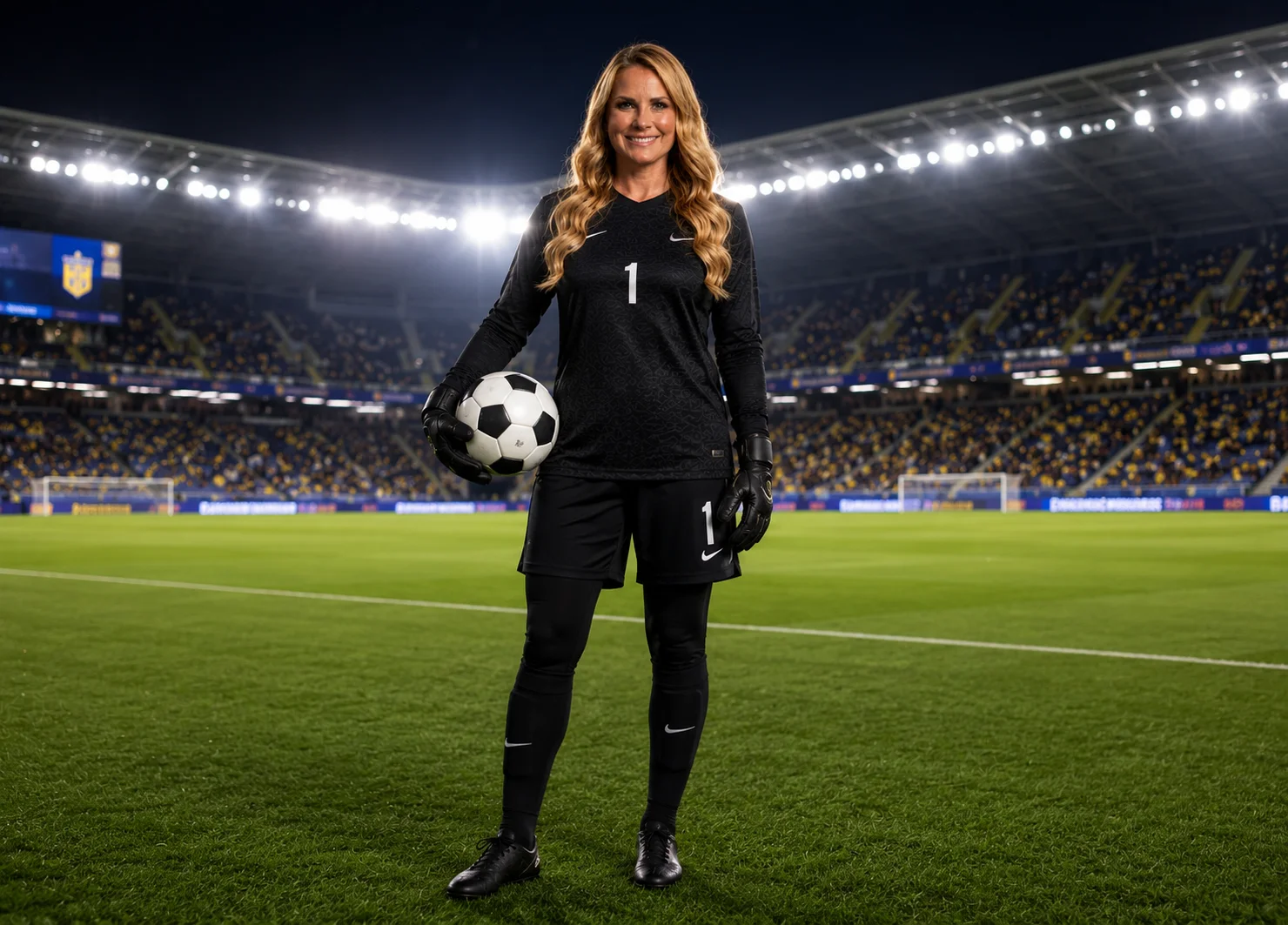
Liesel Jolly is a sports sponsorship and partnership marketing professional known for her work in women’s football. She has built a long career at Visa, where her responsibilities have included major sports partnerships, sponsorship strategy, athlete programmes, and marketing initiatives. Unlike footballers who gain attention through matches, Jolly works behind the scenes to help brands and sporting organisations create meaningful partnerships. Her professional journey is also interesting because she began with a scientific education before moving into business and sports marketing. Today, she is closely associated with Visa’s European women’s football activities and programmes supporting female athletes. Her career shows how business expertise can influence modern sport.
Who Is Liesel Jolly? a brief biography
| Biography Field | Details |
|---|---|
| Full Name | Liesel Jolly |
| Profession | Sports Sponsorship & Partnership Marketing Professional |
| Known For | Women’s football sponsorship, sports marketing, athlete partnerships |
| Nationality | British |
| Current Professional Focus | Women’s football and sports sponsorship |
| Major Organization | Visa |
| Visa Career Started | 2011 |
| Specialization | Sponsorship, partnerships, marketing, athlete programmes |
| Education | BSc in Zoology |
| University | Anglia Ruskin University |
| Postgraduate Education | MPhil in Behavioural Ecology |
| Business Education | Executive MBA |
| Management Qualification | Chartered Management Institute, Senior Leadership and Management Practice |
| Women’s Football Role | Visa Women’s Football Lead in Europe |
| Major Sports Work | Olympic and Paralympic Games, Formula E, women’s football |
| Football Partnership Work | Visa’s UEFA Women’s Football partnership |
| Athlete Programme | Team Visa Women’s Footballer Programme |
| Major Initiative | The Second Half |
| The Second Half | Career development programme supporting women footballers beyond their playing careers |
| Chartered Status | Chartered Manager |
| Professional Base | London, England |
| Public Profile | Sports industry and professional marketing sector |
| Additional Role | Trustee associated with The Rachel Yankey Foundation |
Who Is Liesel Jolly?
Liesel Jolly is a senior professional working in sponsorship, partnerships, and sports marketing. She is particularly recognised for her role as Women’s Football Lead at Visa in Europe. Her work focuses on developing partnerships that connect the company with football organisations, athletes, competitions, and supporters. This makes her an important behind-the-scenes figure in the growing business side of women’s football. Jolly is not primarily known as a former professional footballer or television personality. Instead, her reputation comes from years of professional experience managing commercial partnerships and sports programmes. Her career demonstrates that the development of modern football depends on many professionals beyond the players seen on the pitch.
Jolly has maintained a relatively private public profile, so most reliable information about her concerns her professional achievements. Public industry profiles highlight her experience with sponsorship marketing, athlete engagement, major sporting events, and women’s football. She has worked across different business areas during her career, gradually building expertise in partnership management and strategic marketing. This broad experience has helped her work with international sports properties and major brand campaigns. For readers searching for Liesel Jolly, it is useful to separate her documented professional work from unverified personal claims sometimes repeated online. Her career is much better documented than her private life, making professional sources the strongest basis for understanding her background and achievements. Read More : Best Masaco Banana Near Me: Easy Ways to Find It
Liesel Jolly Education and Academic Background
One of the most interesting parts of Liesel Jolly’s background is her academic path. Public professional information indicates that she studied Zoology at Anglia Ruskin University, completing a Bachelor of Science degree. She then continued her education with postgraduate study in Behavioural Ecology. This academic background is quite different from her later career in sponsorship and sports marketing. Scientific study can develop useful skills such as research, analysis, problem solving, and careful evaluation of information. Those abilities can also be valuable in business environments where professionals must understand audiences, examine data, and make strategic decisions. Her education therefore provides an interesting foundation for the career she later developed in international sponsorship.
Jolly later added business and leadership education to her scientific qualifications. Public professional profiles associate her with an Executive MBA from the University of Exeter and a senior leadership and management qualification through the Chartered Management Institute. These studies helped broaden her knowledge beyond science and into business strategy, leadership, and organisational management. Her educational journey shows that careers do not always follow a straight path from university subject to final profession. Instead, people can build new expertise as their responsibilities change. Jolly’s transition from behavioural science to corporate sponsorship illustrates how transferable skills, further education, and practical experience can support a major professional career change.
Early Career Before Visa
Before becoming closely associated with women’s football, Liesel Jolly gained experience in financial services and business operations. Public career information connects her with IDT Financial Services in Gibraltar, where she worked in roles involving areas such as compliance, finance, and chargebacks. These positions were different from her later work in sports sponsorship, but they provided valuable exposure to corporate processes. Working in financial services can require strong organisation, accuracy, communication, and attention to detail. Such abilities can later transfer into partnership management, where professionals often coordinate budgets, stakeholders, contracts, events, and commercial requirements. Jolly’s early career therefore helped create a practical business foundation before she moved into the international world of sports marketing.
Her move toward sponsorship and partnership marketing marked an important change in professional direction. Rather than following a traditional route through football, Jolly developed experience through business roles and then entered a global company with major sporting partnerships. This path is useful for understanding her career because it shows that sports marketing is not limited to people with backgrounds in athletics. Professionals with financial, analytical, operational, and communication skills can also build successful careers in the industry. Jolly eventually developed expertise in managing sponsorship programmes, working with stakeholders, and supporting major events. These experiences became especially valuable as her responsibilities at Visa expanded into international sports and, later, women’s football.
Liesel Jolly and Visa
Liesel Jolly joined Visa in 2011 and has developed a long professional association with the company. Her Visa career has included several roles connected with sponsorship, marketing, business operations, and major sporting programmes. One notable early experience involved Visa’s partnership around the London 2012 Olympic and Paralympic Games. Working around an event of that scale required careful planning, communication, stakeholder coordination, and delivery of sponsorship rights. Such experience can provide a strong foundation for later leadership in sports marketing. Jolly’s career at Visa therefore developed through multiple responsibilities rather than a single position. Over time, she gained wider knowledge of how global brands use sport to connect with audiences and support commercial objectives.
Her work at Visa has also included experience beyond football. Public professional profiles describe involvement with Olympic and Paralympic programmes, Formula E, athlete marketing, growth markets, and other partnership activities. This broader background is important because it shows that her expertise extends across the sports sponsorship industry. Managing different sporting properties can involve different audiences, commercial models, event structures, and partnership needs. By gaining experience across several areas, Jolly developed a broader understanding of international sponsorship. That knowledge later supported her work in women’s football, where brands and sporting organisations increasingly focus on long-term relationships rather than simple advertising. Her career illustrates how varied experience can strengthen strategic leadership.
Liesel Jolly and Women’s Football
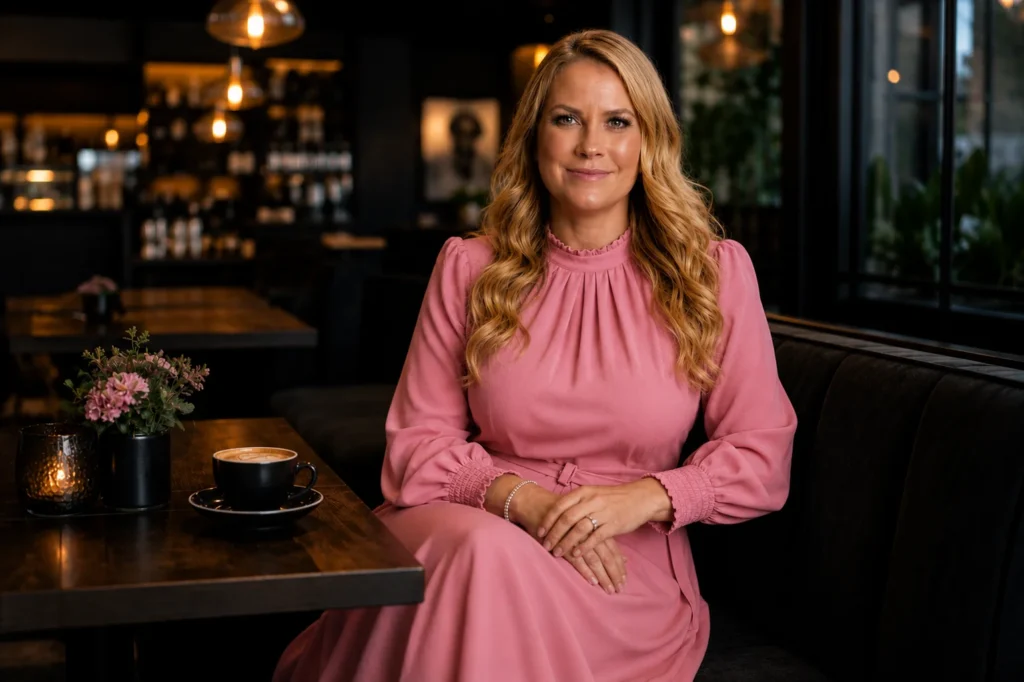
A major part of Liesel Jolly’s professional profile is her work in women’s football. The Women’s Football Awards identifies her as Visa’s Women’s Football Lead in Europe and credits her with playing an integral role in Visa becoming the first major brand to partner with UEFA Women’s Football. This partnership helped position Visa as a significant commercial supporter of the women’s game. Jolly’s work involves more than placing a company name beside a competition. Sports sponsorship can include campaigns, athlete partnerships, fan experiences, content, events, and programmes that create value for different groups. Her role therefore sits at the intersection of business strategy, sport, marketing, and athlete development.
The growth of women’s football has created greater demand for professionals who understand both sport and commercial partnerships. Jolly’s career reflects this changing environment. Her work helps connect a global financial brand with female footballers, competitions, and audiences while supporting initiatives that promote wider opportunities in the sport. This type of work is often less visible than what happens during a match, yet it can influence how competitions are promoted and how athletes are supported. Jolly’s professional contribution is especially relevant because women’s football continues to develop as a major sporting and commercial sector. Her career provides an example of how sponsorship leadership can contribute to that broader growth.
The Second Half Programme
Another project associated with Liesel Jolly is The Second Half, a career-development initiative created to support professional female footballers as they prepare for life beyond playing. A sporting career can be relatively short, and athletes may eventually need new skills, professional networks, and career options. Programmes focused on transition can help players think about what comes next while they are still active in sport. Jolly’s involvement demonstrates that sports sponsorship can extend beyond advertising and tournament visibility. It can also support practical initiatives for athletes. The Second Half is therefore an important part of the professional story surrounding Jolly and her work in women’s football development.
The idea behind career transition is especially valuable because professional footballers develop many skills that can transfer into other industries. Communication, teamwork, discipline, leadership, resilience, and decision making can all become useful outside competitive sport. However, athletes may still need guidance when entering a new professional environment. Initiatives such as The Second Half can help create awareness and opportunities for that transition. Jolly’s work in this area adds another dimension to her sponsorship career because it connects commercial partnerships with athlete development. Readers interested in related sports careers can also explore our women’s football careers guide for a broader look at opportunities beyond playing professionally.
Liesel Jolly’s Professional Skills
Liesel Jolly’s career highlights several skills that are important in modern sponsorship management. Partnership marketing requires professionals to understand business objectives while also respecting the needs of sporting organisations and athletes. Communication is essential because large sponsorship programmes often involve many stakeholders. Project management is equally important because campaigns, events, content, and athlete activities must be planned carefully. Strategic thinking helps ensure that sponsorships create long-term value rather than short-term attention. Jolly’s experience across international sports programmes suggests a combination of these abilities. Her career also shows why people working in sports marketing need commercial awareness, organisation, adaptability, and the confidence to manage complex partnerships.
Another important skill is the ability to understand audiences. Modern sports sponsorship is not simply about placing a logo on a shirt or stadium. Brands increasingly want meaningful connections with fans and communities. This requires research, creative thinking, storytelling, digital communication, and an understanding of what supporters value. Jolly’s background in science may also have helped develop analytical habits that are useful in strategic work. Her later business education added management and leadership knowledge to that foundation. Together, these experiences created a varied professional skill set. Her career demonstrates how different forms of education and work experience can eventually combine into a specialised leadership role within the sports industry.
Liesel Jolly and Athlete Empowerment
Athlete empowerment is another important theme connected with Jolly’s professional work. Women’s football has developed rapidly, but athletes still need support beyond match performance. Sponsorship programmes can provide platforms for players, help increase their visibility, and create opportunities to discuss important issues. When brands work responsibly with athletes, partnerships can become more meaningful for both sides. Jolly’s involvement with women’s football programmes reflects this broader approach to sports marketing. Her work is not limited to commercial exposure. It also includes initiatives that recognise athletes as professionals with careers, identities, and ambitions beyond individual tournaments or seasons. This perspective has become increasingly important within modern sports sponsorship.
The Second Half is one example of how athlete support can connect with commercial partnerships. Helping players prepare for future careers can create benefits that continue after their playing days end. It also encourages a wider conversation about the professional development of women in sport. For businesses, such programmes can demonstrate that sponsorship has a purpose beyond visibility. For athletes, they can provide access to networks, ideas, and practical career support. Jolly’s work in this area highlights the changing expectations around sports partnerships. Today, successful sponsorship can involve community impact, athlete development, storytelling, and long-term investment alongside traditional marketing goals.
Liesel Jolly’s Public Profile and Personal Life
Compared with professional footballers and media personalities, Liesel Jolly has a relatively low public profile. Most information available about her focuses on work, education, sponsorship projects, and professional achievements. This is understandable because her career has developed mainly behind the scenes. She does not rely on regular television appearances or public entertainment work to build her professional identity. As a result, readers may find more reliable information about her career than about her private life. A trustworthy biography should recognise this difference and avoid filling gaps with speculation. When information about family, relationships, or personal matters is not clearly confirmed, it is better to leave those details unreported.
Online interest in Jolly sometimes extends to questions about her personal relationships. However, professional association with another person does not automatically prove a romantic relationship. Public discussions can easily become exaggerated when repeated across websites without strong evidence. For that reason, readers should treat unverified claims carefully and focus on information supported by credible professional or organisational sources. Jolly’s documented career already provides a substantial story, including her education, Visa experience, women’s football leadership, and athlete-development work. Readers looking for celebrity background information can also review our celebrity biography guide to learn how to distinguish confirmed details from online speculation.
Liesel Jolly’s Impact on Women’s Football
Liesel Jolly’s professional impact can be understood through the partnerships and programmes connected with her work. By helping lead Visa’s women’s football activities in Europe, she has contributed to the commercial infrastructure supporting the women’s game. Sponsorship can provide financial resources, marketing reach, athlete platforms, and opportunities for competitions to connect with wider audiences. While one individual cannot be responsible for the growth of an entire sport, experienced sponsorship leaders can help shape how brands invest in that sport. Jolly’s role is therefore part of a much larger movement involving athletes, clubs, governing bodies, broadcasters, sponsors, coaches, and fans.
Her career also demonstrates how women’s football has become an important area for global businesses. Dedicated partnerships show that the women’s game is increasingly recognised as a valuable sporting and commercial environment. Jolly’s involvement with Visa’s European strategy places her within this changing landscape. Her work combines sponsorship expertise with initiatives designed around athletes and the wider football community. This combination is significant because long-term growth requires more than financial investment alone. It also requires good storytelling, strong partnerships, athlete support, and audience engagement. Jolly’s professional journey offers a useful example of how corporate leaders can participate in the continued development of women’s football.
Frequently Asked Questions About Liesel Jolly
Who is Liesel Jolly?
Liesel Jolly is a sports sponsorship and partnership marketing professional associated with Visa. She is particularly known for leading women’s football activities in Europe and working on sponsorship programmes, athlete partnerships, and initiatives supporting female footballers.
What is Liesel Jolly known for?
She is best known for her work with Visa’s women’s football strategy, including its UEFA Women’s Football partnership and athlete-focused initiatives such as The Second Half.
Did Liesel Jolly play professional football?
Liesel Jolly is not publicly known as a professional football player. Her career has developed in sports marketing, sponsorship, partnerships, business operations, and athlete programmes rather than competitive football.
What did Liesel Jolly study?
Public professional information indicates that she studied Zoology and later Behavioural Ecology. She subsequently developed business and leadership expertise through an Executive MBA and management education.
What does Liesel Jolly do at Visa?
Jolly works in sports sponsorship and women’s football, with public industry information identifying her as Visa’s Women’s Football Lead in Europe. Her work includes partnerships, campaigns, athlete programmes, and strategic sponsorship activities.
Conclusion
Liesel Jolly has built an interesting career at the meeting point of business, sport, sponsorship, and women’s football. Her journey began with scientific education and early business experience before developing into a long career with Visa. Over time, she became closely involved with major sports partnerships and eventually focused strongly on women’s football in Europe. Her work with UEFA-related sponsorship activities and The Second Half programme shows how sports marketing can support both commercial goals and athlete development. While her private life remains relatively low profile, her professional achievements provide plenty of useful information. For anyone researching Liesel Jolly, her career offers a strong example of leadership behind modern women’s football.
